-
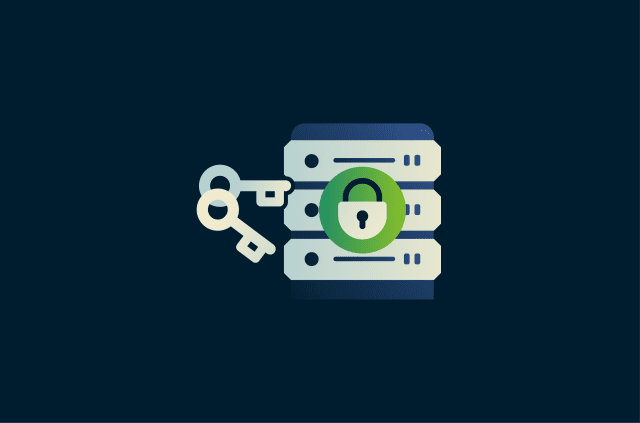
SSH key authentication explained: How it works, why it matters, and how to set it up
Passwords help protect accounts and remote access, but weak or reused credentials can still be guessed, stolen, or abused. Secure Shell (SSH) key authentication offers a more secure way to sign into s...
-
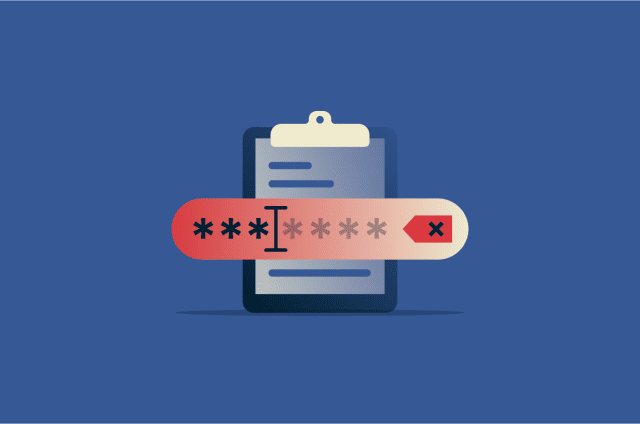
How to delete saved passwords across all browsers
Saving passwords in a browser can help maintain strong, unique credentials without having to memorize dozens of logins. But there are times when deleting them makes sense, such as if a device or brows...
-
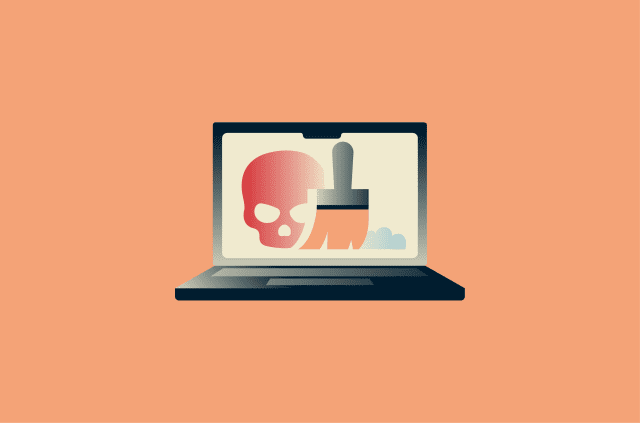
How to remove malware from Mac: The complete cleanup checklist
While macOS malware exists and continues to grow, it remains less prevalent than malware targeting Windows. Apple uses multiple layers of protection, including the App Store, Gatekeeper, Notarization,...
-

Zoom security: What you need to know about meeting privacy
Many students, remote workers, and teams rely on Zoom as their go-to video call platform. But like many widely adopted communication services, its users need to consider how private it is and what the...
-
Citibank scams explained: Warning signs, prevention tips, and recovery steps
Scammers often target Citibank customers, sometimes misusing Citibank's name to make fake messages seem legitimate or impersonating trusted authorities to commit financial fraud. They trick recipients...
-

How to protect yourself from deepfake scams
Advances in AI have made it possible to create highly realistic fake audio, video, or images, called deepfakes. While this technology has legitimate uses (like art or film), scammers also use it to mi...
-
What is browser hijacking? How it works and how to stop it
When a browser keeps redirecting to unexpected websites or floods the user with pop-up ads, it could signal the presence of browser hijacking software. This can disrupt the browsing experience, and wh...
-
What is killware? How it works and how to stay protected
While most cyberattack methods are defined by their method or intent, killware is defined by its outcome. It’s an umbrella term for cyberattacks that lead to real-world physical harm, regardless of ...
-
The SLAM method for enhanced email and phishing security
Sender, Links, Attachments, and Message (SLAM) is an acronym that helps prevent you from falling victim to phishing attacks. It serves as a starting point for evaluating risk when you receive suspicio...
-
How to identify and remove grayware from your devices
Not every risky program qualifies as malware. Some software falls into a middle ground known as grayware. It often appears bundled with other downloads or as an “optional” component during install...