
-

ExpressVPN survey reveals Americans do care about privacy after all
NOTE: This post was originally published on June 13, 2019 A representative survey, commissioned by ExpressVPN and undertaken by Propeller Insights, produced many surprising results while confirming so...
-

6 common misconceptions about passwords
We all need passwords. They are by far the most used form of authentication, not only for accessing accounts over the internet, but also for phone banking, ATM use, opening a safe, and even to take bo...
-
PGP is still pretty good for privacy
Many privacy advocates use PGP (GNU Privacy Guard/GPG in its open source form) to encrypt, sign, and verify data and text of all sorts. PGP is a relatively well audited and trusted privacy and securit...
-
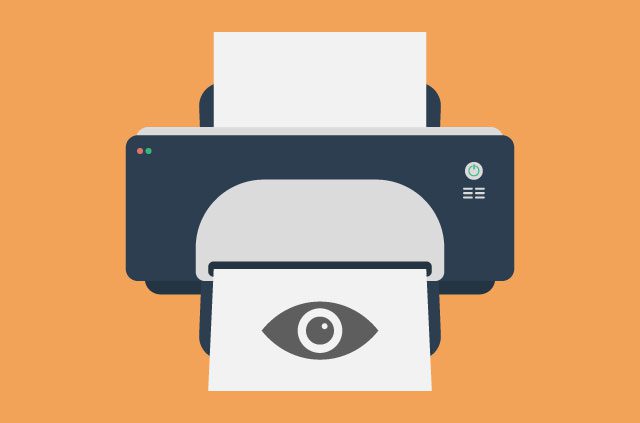
Here's why your printer is a tattletale
When you print, scan, or copy a document at home or in the office, it might look like any other document to your eyes. But, unbelievably, data on the page make it possible to track almost every docume...
-

Whistleblowing guide: How to protect your sources
** This is part three of ExpressVPN's whistleblowing guide. ** Part 1: Whistleblowing guide: Blowing the whistle is tough Part 2: Whistleblowing guide: How to stay anonymous when blowing the whistle P...
-
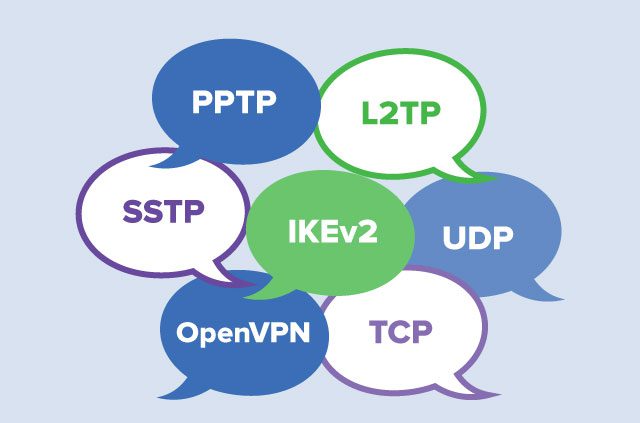
PPTP, L2TP, and a plethora of VPN protocols
UDP? TCP? OMG! While they may appear to be intimidating, VPN protocols are quite easy to understand and essential to securing your online activity. In that spirit, ExpressVPN offers this quick guide t...
-

5 ways online services manipulate you
It’s no secret the internet is a powerful source of information and convenience for everyone. We go to it for news about the world, to connect with friends and family, and to enjoy all sorts of wond...
-

How to replace old or damaged hard drives securely
If you are like most other computer users, you’ll rarely throw away or delete data. And with disk space becoming cheaper and cheaper, you’ll rarely have to. But if you do ever need to get rid of a...
-
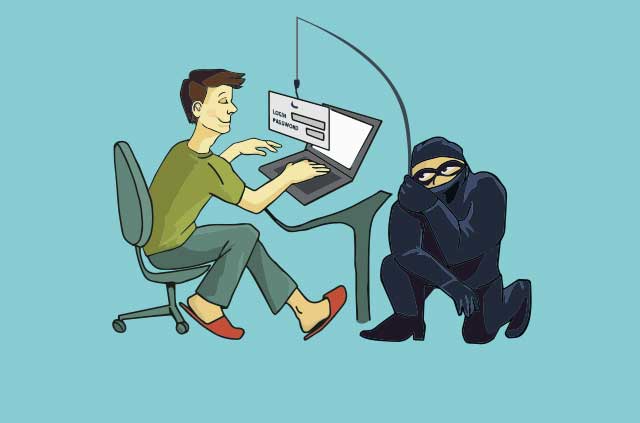
Internet hacks: Phishing and spearphishing explained
Phishing, pronounced fishing, is a social engineering technique designed to steal passwords, credit card details, and other sensitive information. The ultimate goal is to use these credentials to gain...
-
Do I need antivirus on my computer?
Tl;dr: No, antivirus software no longer reliably protects against malware threats. To understand why, read below about the history of malware, what antivirus software does, and whether you truly need ...
Fall sports offer: Save 80% and secure live sports coverage for less.
Secure every game this Fall with 80% off. Get deal
Get discount